Choosing the right bathroom tile isn’t just about looks; it affects durability, maintenance, and long-term value. This article provides an expert, EEAT-informed guide to help homeowners select, install, pattern, and care for bathroom tile. We’ll cover materials, installation basics, design ideas, and practical tips to ensure a trustworthy, high-quality outcome.
Understanding bathroom tile options
Bathroom tile choices range from budget ceramic to premium natural stone. The right tile depends on placement (wet vs dry areas), traffic, and maintenance tolerance. In wet zones, moisture resistance and slip resistance are paramount. For walls, weight is less critical, but for floors, load-bearing capacity matters.
Common tile materials
- Porcelain: dense, water resistant, durable for floors and showers.
- Ceramic: versatile, affordable, good on walls and backsplashes.
- Glass: reflective, modern; high maintenance if used in large slabs, requires sealing for edges.
- Natural stone: marble, travertine; luxury look, requires sealing and more maintenance.
- Cement and large-format tiles: contemporary look, can be slippery if polished; use matte finish with proper slip rating.
Size, shape, and layout
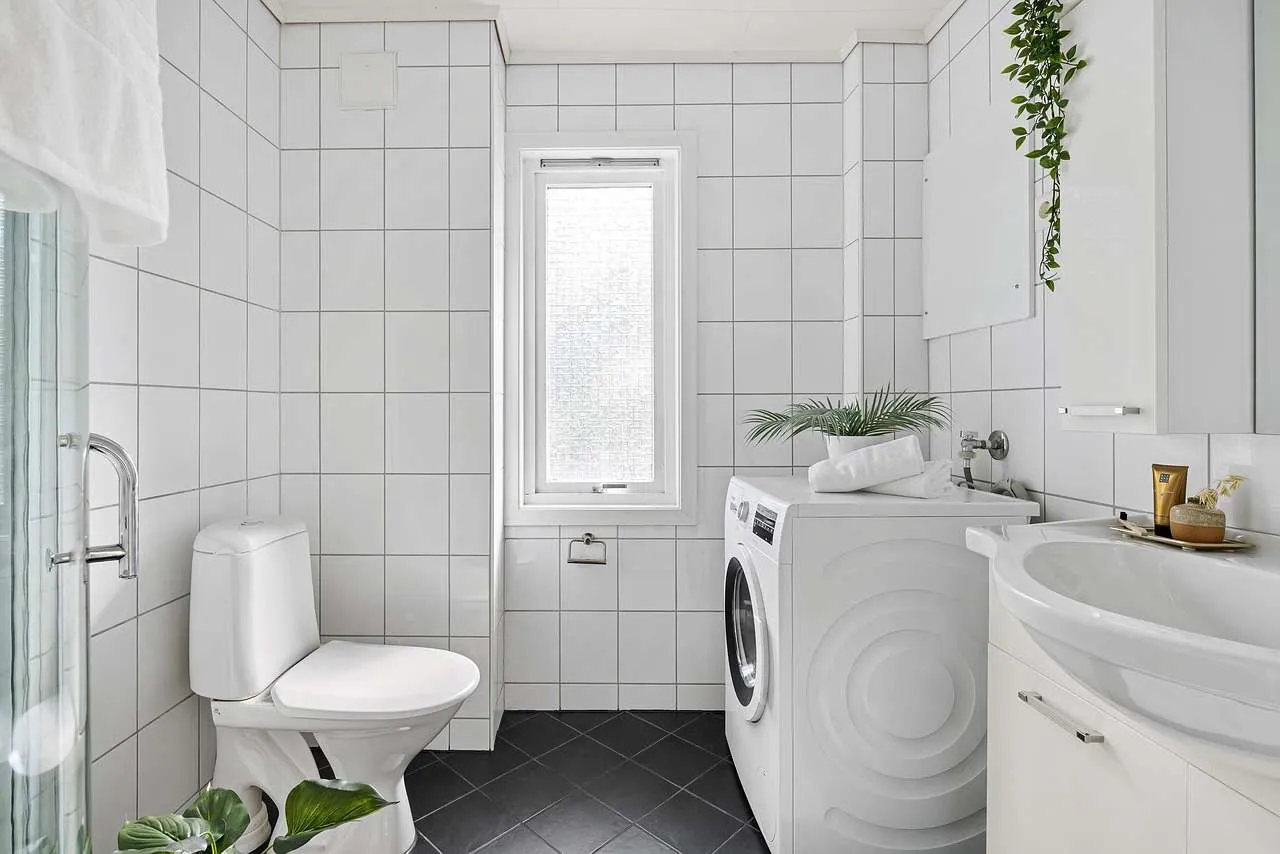
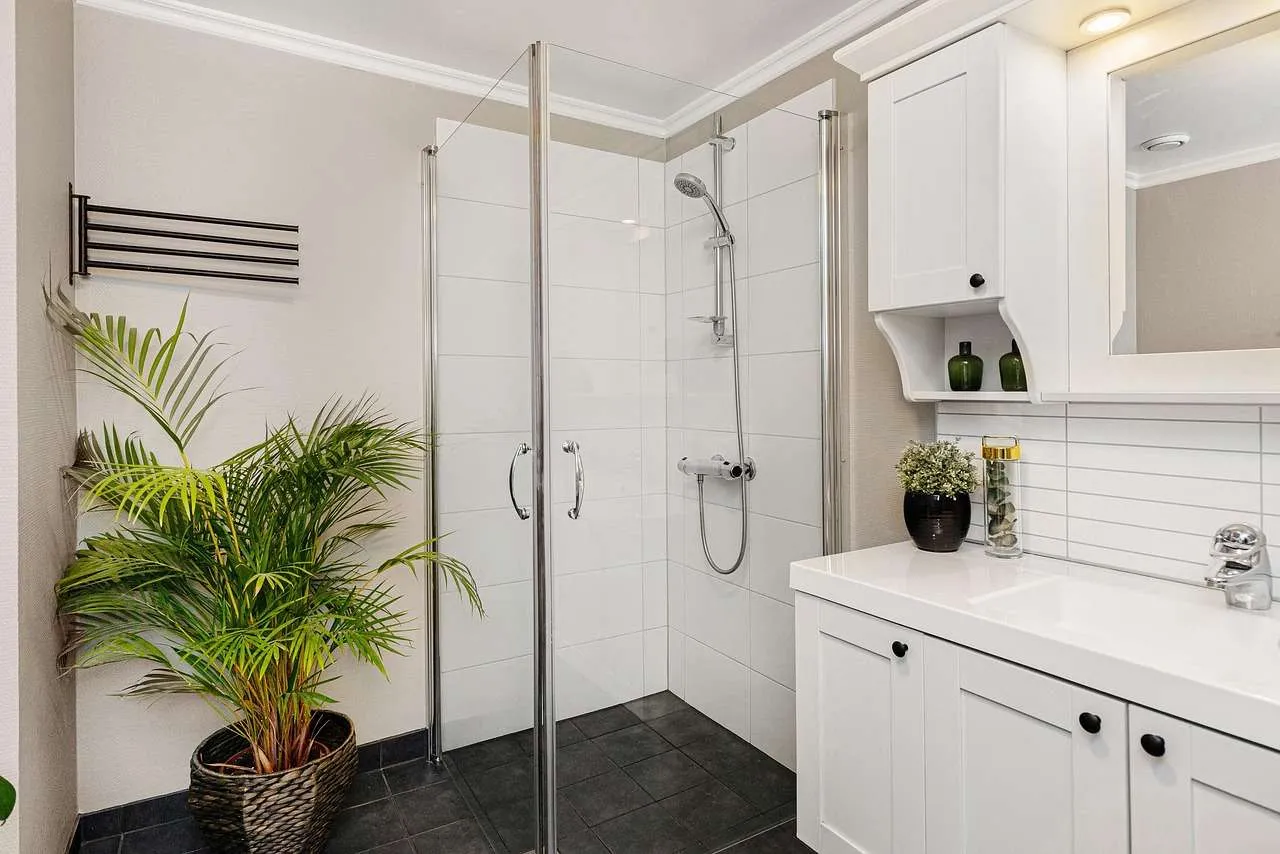
Tile size affects perceived space and maintenance. Large-format tiles create fewer grout lines and can look expansive, while small tiles offer better grip and can add texture via a mosaic. For showers, rectangular formats such as 3x12 or 12x24 are popular; consider a slip-resistant rating (R9–R11) and a curb-to-wall water containment strategy.
Installation basics
Proper subfloor preparation and waterproofing are essential. In wet areas, install a waterproofing membrane behind the tile and use cement backer board on floors. Use a high-quality mortar bed for floors and a suitable thinset mortar for walls. Grout choice should match the tile's size and usage; epoxy grout offers excellent stain resistance but can be harder to work with for DIYers.
Layout and alignment tips
Plan your layout to minimize cuts and ensure symmetry. Snap chalk lines for straight runs, use tile spacers for even grout lines, and dry-fit a few rows before setting. In showers, slope the floor toward the drain at about 1/4 inch per foot to ensure proper drainage.
Design ideas and patterns
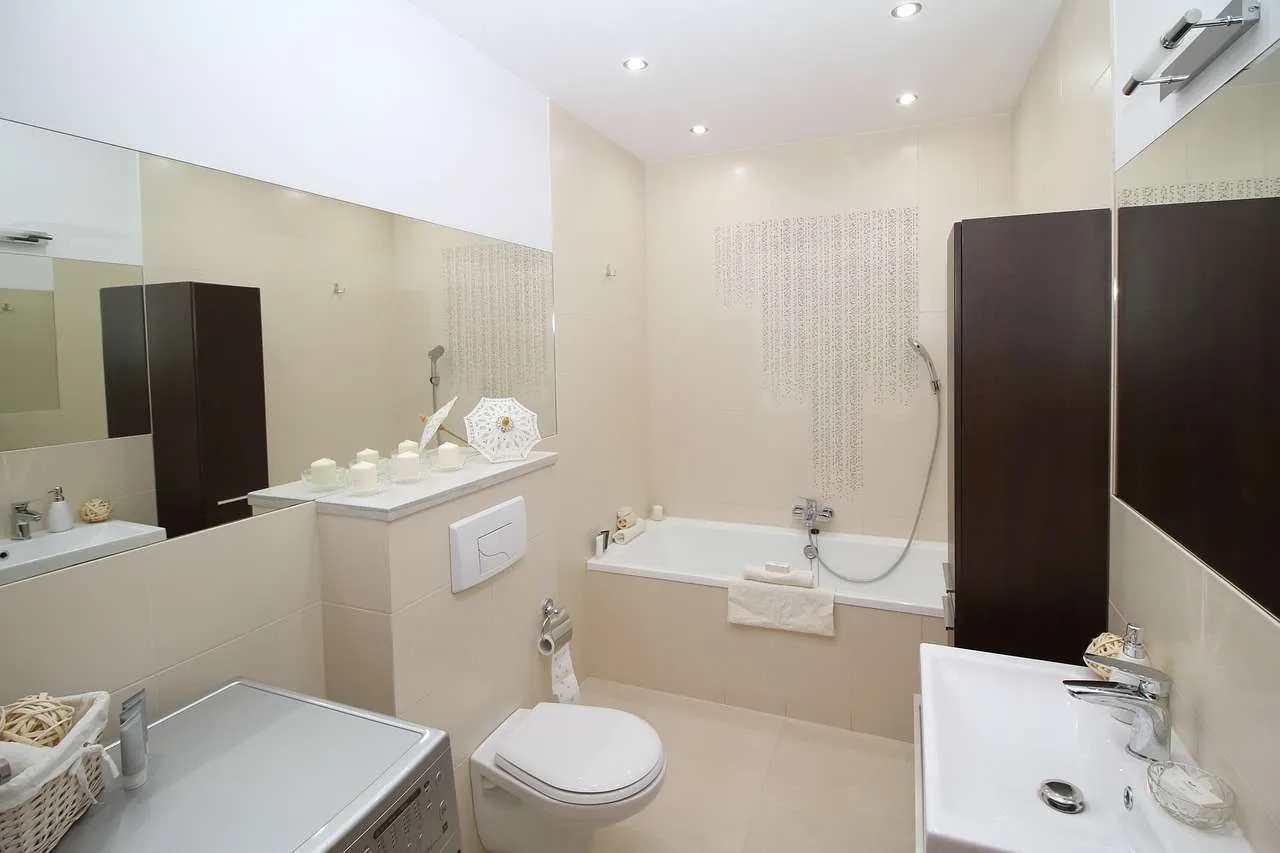
Mixing textures and finishes can elevate a bathroom. Classic subway tile in a herringbone pattern or stacked bond creates timeless appeal. A border or accent band in a contrasting color can add character without overwhelming the space. Consider combining wall tiles with a different floor tile to create a deliberate contrast, or using large-format tiles on floors to maximize a sense of space.
Maintenance and care
Maintenance varies by material. Porcelain and ceramic tiles are easy to maintain with routine cleaning using a neutral cleaner. Glass tiles can show water spots if not wiped; seal natural stone to prevent staining, and reseal every 6–12 months depending on usage. Use a squeegee after showers and fix any cracked grout promptly to prevent water intrusion.
Cost considerations and buying tips
Budgeting involves material cost, underlayment, waterproofing, labor, and possible demolition. Porcelain and ceramic tiles range from economical to premium; natural stone increases both material and maintenance costs. Don’t overlook underlayment, waterproof membranes, and labor expertise. For DIY enthusiasts, start with small, non-wet areas to gain confidence before tackling a shower or steam-rich bathroom.
Comparison snapshot
| Tile Type | Pros | Cons | Best Use |
|---|---|---|---|
| Porcelain | Very durable, water resistant | Can be harder to cut | Floors and showers |
| Ceramic | Affordable, wide range of colors | Less durable than porcelain | Walls, backsplashes |
| Glass | Reflective, modern look | Slippery if wet; grout maintenance | Accent walls, mosaics |
| Natural Stone | Premium look, unique veining | Sealing required, stain risk | Showers, floors with proper care |
Note: Always verify slip resistance ratings (dynamic R-values) and water absorption rates when selecting tile for wet areas. A qualified installer can help interpret these specs and ensure code-compliant waterproofing and proper substrate preparation.
Maintenance routines vary by material. For example, epoxy grout resists staining but needs careful mixing and curing, while cementitious grout may require sealing to protect against moisture. Always follow manufacturer recommendations for cleaning agents to protect tile finishes and finish edges.
Conclusion, a thoughtful approach to tile selection—from material choice and layout to installation methods and ongoing care—delivers a bathroom that looks beautiful, performs reliably, and adds lasting value. By prioritizing moisture control, slip resistance, and ease of maintenance, homeowners can achieve a durable, stylish sanctuary with the right bathroom tile choices.